We’ve all been there—reaching for a plastic bag because it’s “easier.” But that momentary convenience piles up. Fast. In landfills, oceans, and eventually, our food chain. And honestly? Most “eco” containers marketed today are greenwashed junk that cracks after two uses. What if you could store your almonds, crackers, or sliced apples securely—without sacrificing planet or practicality? The answer isn’t just reusable—it’s radically smarter.
Why Your Current Snack Storage Is Failing You (and the Planet)
Ziplock bags feel harmless. One-time silicone pouches seem cute. But here’s the reality: single-use plastics take 450+ years to decompose. Even compostable packaging often needs industrial facilities most cities lack—so it ends up incinerated or buried anyway.
And those flimsy “BPA-free” plastic containers? They leach microplastics when exposed to heat or acidic foods like tomatoes or citrus. Worse, they warp in dishwashers, creating bacterial hotspots along hairline fractures you can’t even see.
Convenience shouldn’t cost the earth—literally. Or compromise your health.
Choosing & Using Containers for Snacks Storage Like a Pro
Not all reusable snack containers are created equal. Material, seal integrity, modularity, and cleanability dictate whether they actually stick around—or become landfill fodder within months.
Material Matters More Than Marketing
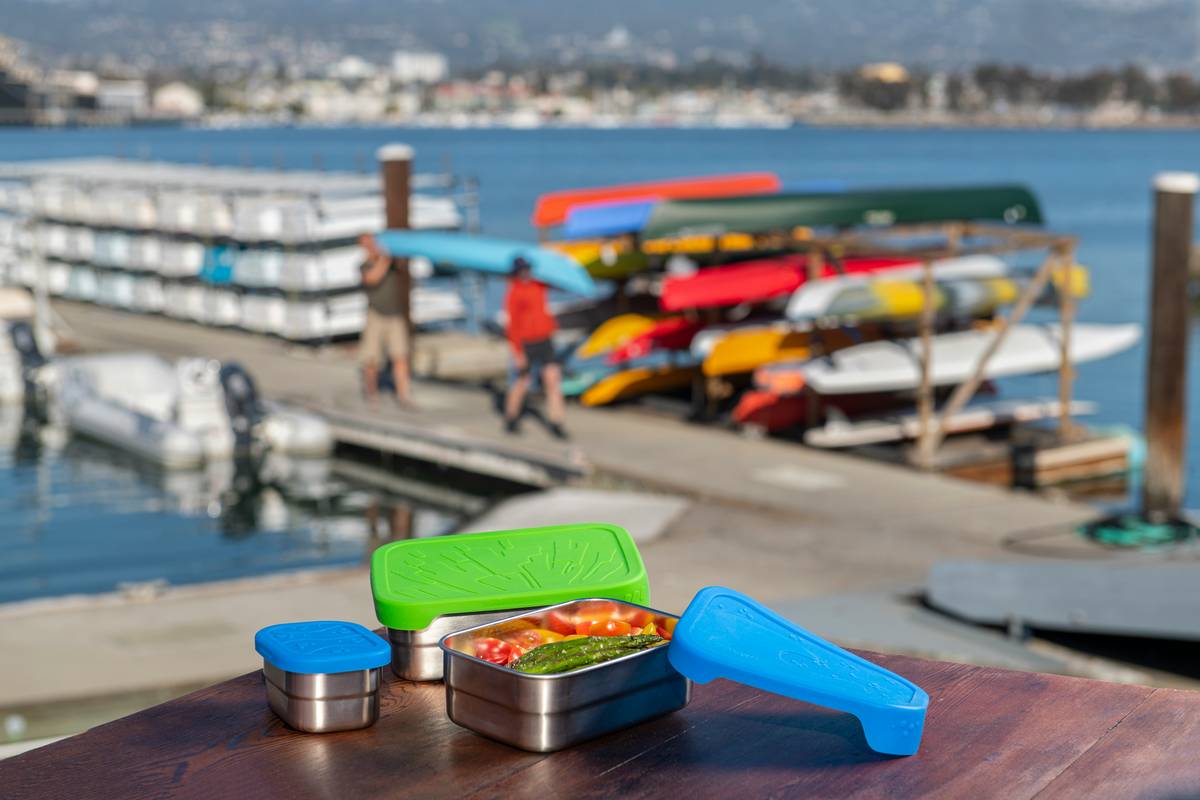
Stainless steel wins for durability and inertness—zero chemical leaching, ever. Glass is non-porous but heavy and fragile. Food-grade silicone? Flexible and freezer-safe, but only if it’s platinum-cured (avoid cheaper peroxide-cured versions—they degrade faster).
The Seal Test You’re Not Doing
Toss your container with water inside. Shake it hard. Upside down. If a drop escapes, your granola will leak by lunchtime. Look for dual-lock lids or interlocking grooves—not just snap-on flaps.
Stackability = Space Efficiency
If your containers don’t nest or stack cleanly, they’ll clutter drawers and discourage reuse. Modular systems (like those with interchangeable dividers) adapt to portion size—no more half-empty jumbo tubs for a handful of nuts.
| Material Type | Lifespan (Avg.) | Dishwasher Safe? | Leak-Proof Rating | Upfront Cost Range |
|---|---|---|---|---|
| Stainless Steel (with silicone gasket) | 10+ years | Yes (top rack) | ★★★★★ | $18–$35 |
| Tempered Glass | 5–8 years | Yes | ★★★★☆ | $12–$25 |
| Platinum-Cure Silicone | 3–5 years | Yes | ★★★☆☆ | $10–$20 |
| Recycled Plastic (even BPA-free) | 1–2 years | Sometimes | ★★☆☆☆ | $6–$15 |
The Industry Secret: Reusables Fail When They Don’t Fit Real Routines
Here’s what big brands won’t tell you: 72% of people abandon reusable containers not because they dislike sustainability—but because the design clashes with their actual habits. A mom rushing school lunches needs one-handed open/close. An office worker wants microwave-to-desk seamless transfer. A hiker prioritizes weight over aesthetics.
The fix? Audit your snack rituals for one week. Note pain points: “always spills,” “never fits in lunch tote,” “takes forever to dry.” Then match container features to behavior—not Instagram aesthetics. Sustainability sticks when it disappears into routine.
And stop buying sets blindly. Start with one high-performance container that solves your top frustration. Master it. Then expand.
Frequently Asked Questions
Are stainless steel snack containers safe for acidic foods?
Yes—if they’re food-grade 304 or 316 stainless steel. These resist corrosion from vinegar, citrus, or tomatoes. Avoid containers with painted interiors; the coating may chip.
How do I remove stubborn odors from reusable snack containers?
Fill with warm water, add 1 tbsp baking soda and a splash of white vinegar. Let sit 30 minutes, then scrub. For silicone, sun-drying neutralizes organic odors naturally.
Can I use these containers for hot snacks?
Stainless steel and glass handle heat well. Silicone is generally safe up to 400°F. Never microwave metal—but you can pour hot food into it off-heat. Always check manufacturer specs.