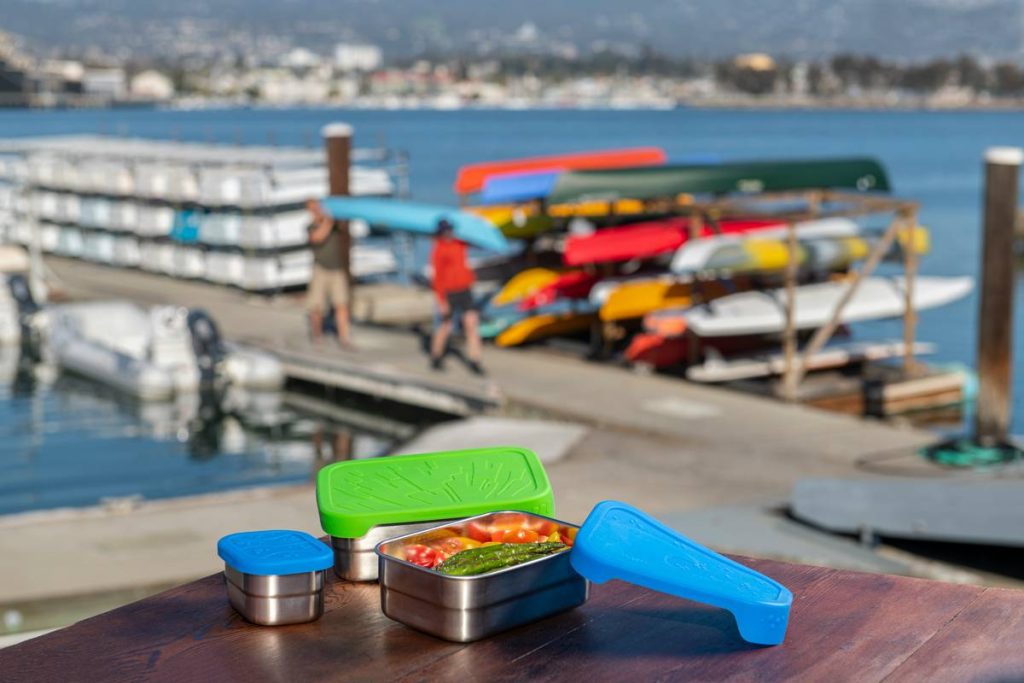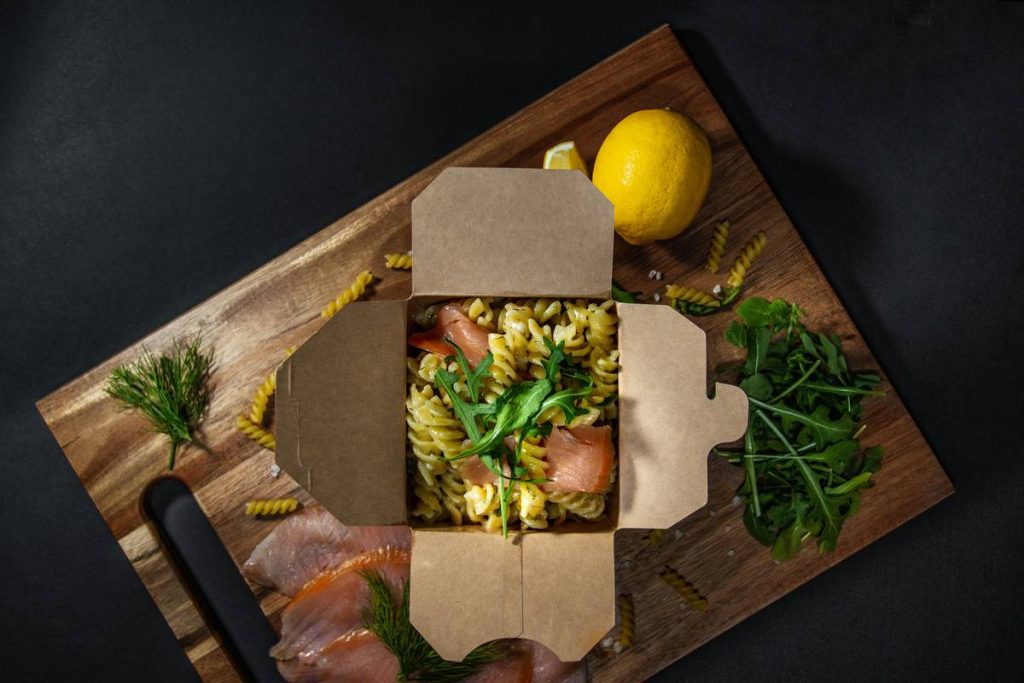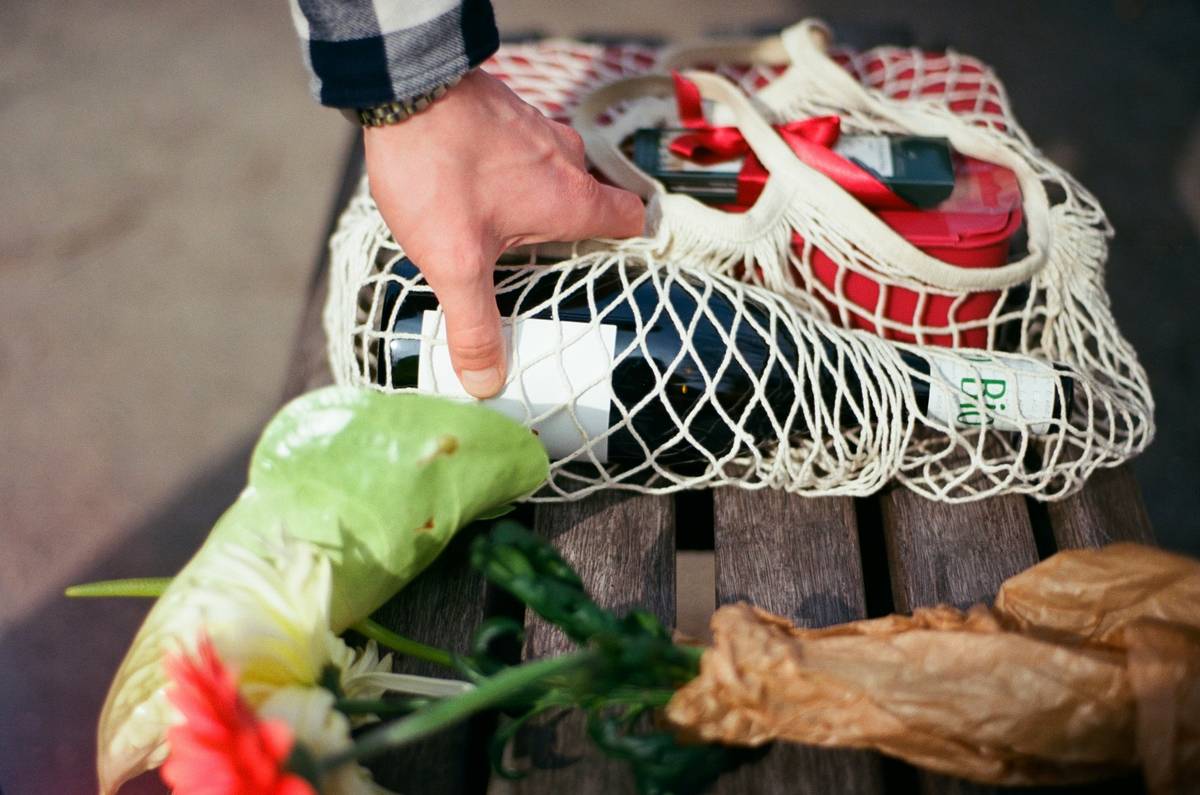
Most “healthy” snacks come wrapped in plastic that outlives your grandkids. You toss it guilt-free, but the planet pays for decades. What is a sustainable snack? It’s not just about what you eat—it’s how you carry, store, and contain it. And reusable snack containers are the unsung heroes of the eco-kitchen revolution.
The Hidden Waste in Your Lunchbox
Your organic granola bar might be compostable—but its wrapper? Rarely. Single-use packaging dominates 95% of snack formats, even from brands touting sustainability. Aluminum foil, cling film, disposable bags—they’re all landfill-bound within minutes.
And it adds up fast. One person using disposable snack wraps averages 365 pieces of waste per year. Multiply that by households, schools, offices. The system isn’t broken—it was built this way.
How to Build a Truly Sustainable Snack Routine
Ditch disposables. Embrace reuse. But not all reusable containers are created equal. Here’s how to do it right—without sacrificing convenience or freshness.
Choose the Right Material
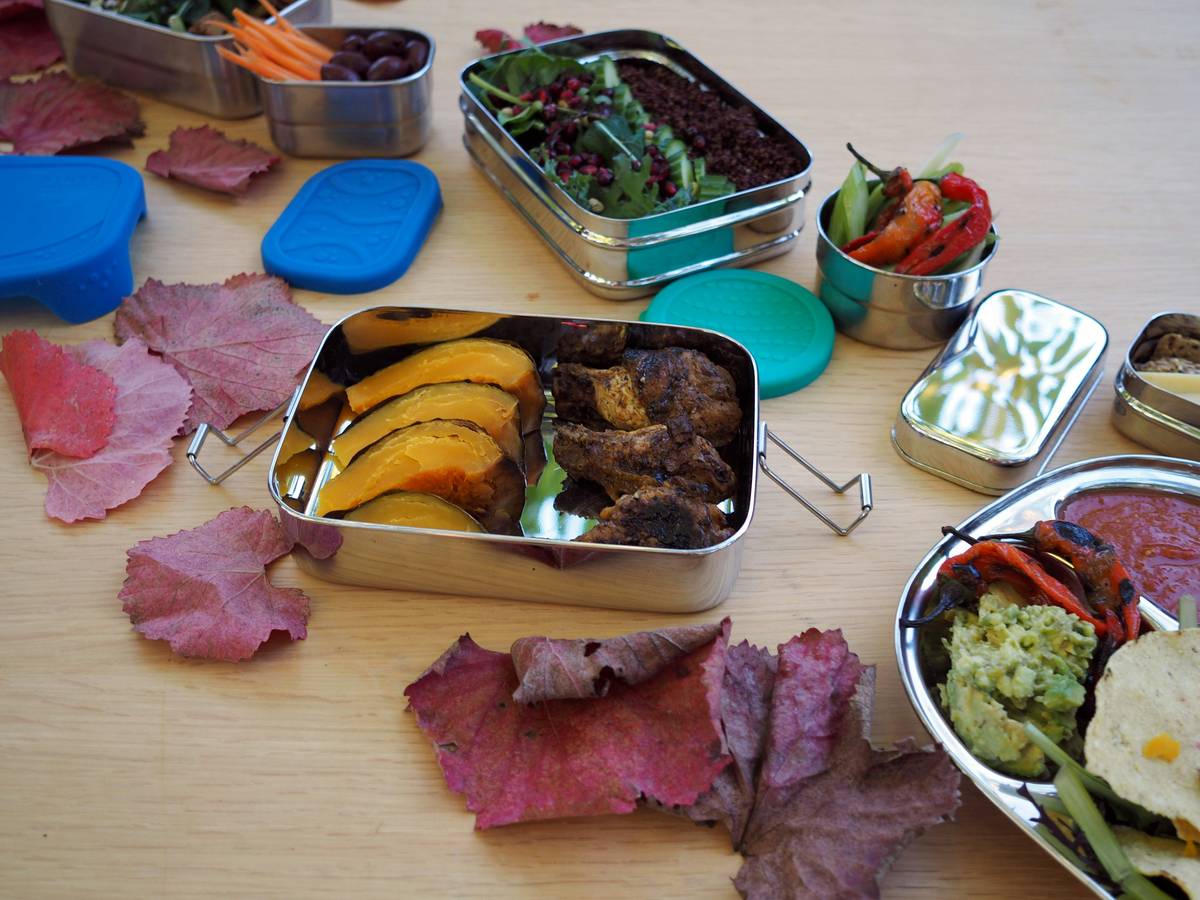
Silicone, stainless steel, glass, and certified food-grade plastics each have trade-offs. Silicone folds flat but stains. Glass is inert but heavy. Stainless steel lasts decades but dents. Pick based on your lifestyle—not marketing buzzwords.
Size Matters More Than You Think
A snack container shouldn’t dwarf your almonds. Oversized bins encourage overpacking—or worse, air exposure that ruins crispness. Match container volume to actual portion needs. Precision reduces food waste too.
Cleaning & Longevity Hacks
Rinse immediately after use. Avoid abrasive scrubbers on silicone seams. Store with lids off to prevent mildew. A well-maintained container can last 5–10 years. That’s 3,650+ single-use packages avoided.
| Container Type | Upfront Cost | Lifespan (Years) | Best For | Eco-Impact Rating |
|---|---|---|---|---|
| Stainless Steel | $12–$20 | 10+ | Nuts, crackers, dry fruits | ★★★★★ |
| Food-Grade Silicone | $8–$15 | 3–5 | Sliced fruit, cheese cubes | ★★★★☆ |
| Glass with Silicone Lid | $10–$18 | 5–7 | Yogurt, dips, wet snacks | ★★★★☆ |
| Recycled Plastic | $5–$10 | 1–2 | Short-term or kids’ use | ★★☆☆☆ |
The Industry Secret No One Talks About
Here’s the reality: most “eco” brands still rely on petroleum-based silicone or recycled plastic that degrades into microplastics. The real win? Multi-functional containers. Use one stainless steel box for snacks, leftovers, spice storage, even travel toiletries. Fewer items = less embedded energy.
Think about it. A single high-quality container replacing five single-purpose gadgets cuts manufacturing emissions by 60%. That’s the math big brands won’t show you. Sustainability isn’t about buying green—it’s about buying less, and using longer.
FAQ
What makes a snack truly sustainable?
It’s packaged in reusable or compostable materials, minimally processed, locally sourced when possible, and stored in durable containers that eliminate single-use waste.
Can reusable containers keep snacks fresh?
Yes—if sealed properly. Stainless steel and glass with tight lids preserve crunch and moisture better than plastic bags, which leak air and absorb odors.
Are silicone snack bags safe?
Only if labeled food-grade platinum-cured silicone. Avoid cheap imports; they may leach fillers. When in doubt, stick to stainless steel—it’s inert and indestructible.