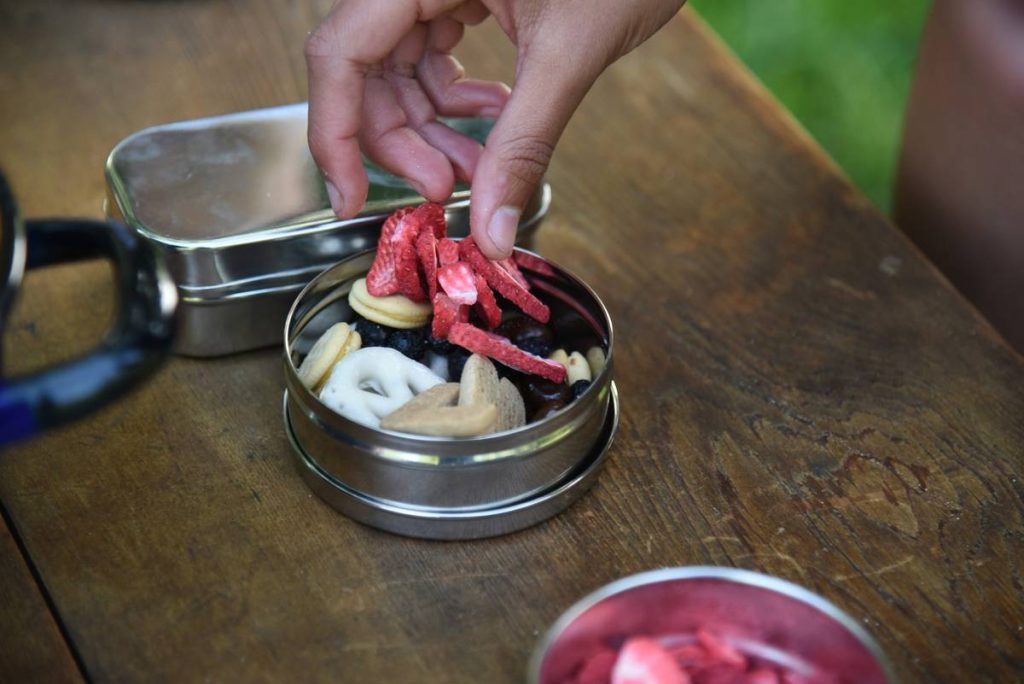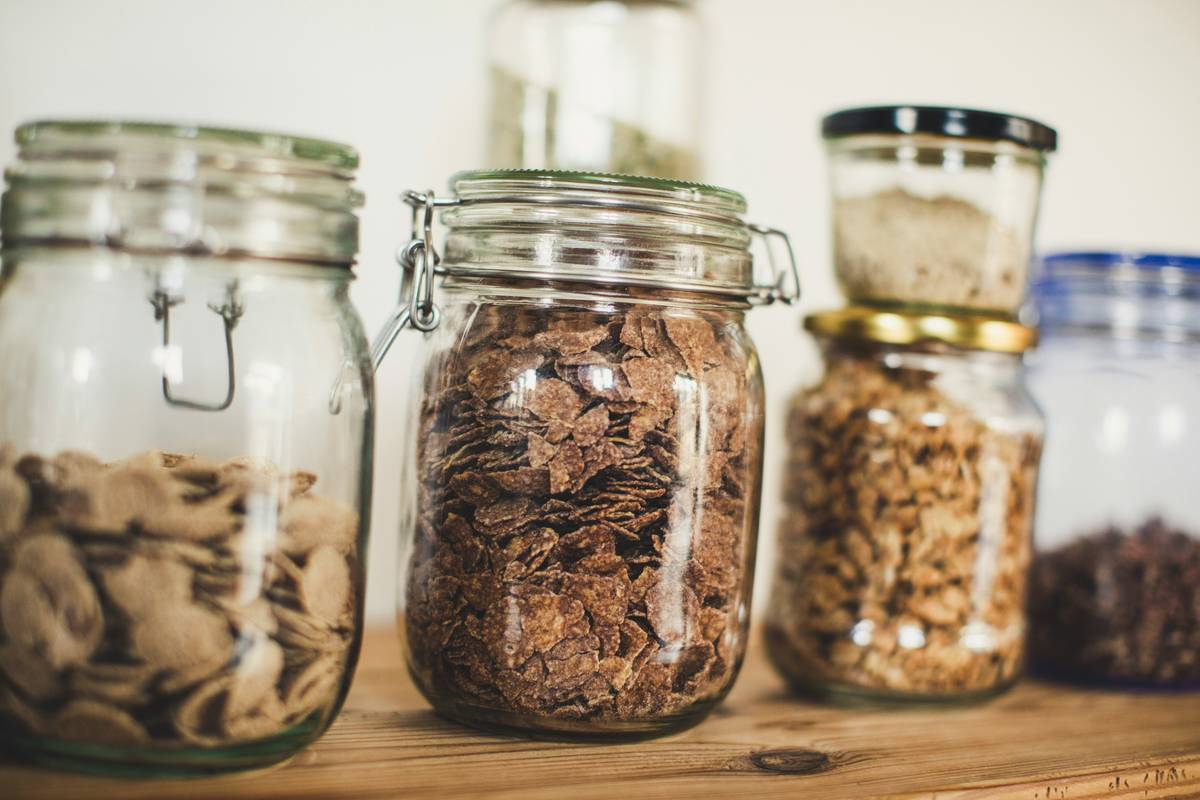
Plastic snack bags pile up faster than you can say “zero waste.” Every week, another roll disappears—only to reappear in landfills for centuries. It’s wasteful, expensive, and frankly, outdated. The fix? Ditch disposables for eco friendly food containers that actually last.
Why Single-Use Packaging Fails You (and the Planet)
Most “convenient” snack storage isn’t convenient at all—it’s a trap. Those flimsy plastic bags? They leak, tear, and leach chemicals into your food when heated. And recycling them? Nearly impossible. Only 9% of all plastic ever made has been recycled. The rest? Buried, burned, or bobbing in oceans.
Even bioplastics often require industrial composters—which your city probably doesn’t have. So they sit in bins like any other trash. You’re paying premium prices for greenwashed guilt.
How to Choose & Use Eco Friendly Food Containers Like a Pro
Switching isn’t just about buying new gear. It’s about building a system that sticks. Here’s how:
Prioritize Material Integrity Over Aesthetics
Stainless steel beats silicone-lined bamboo on durability. Glass wins on purity—but chips if dropped. Pick based on your real-life habits, not Instagram aesthetics. If you toss lunchboxes in bike panniers, go metal. If reheating leftovers is routine, choose tempered glass with snap lids.
Avoid Hidden Plastics in “Green” Brands
Some containers market themselves as sustainable but sneak in BPA-free plastic inner linings or nylon seals. Read every label. True eco-friendly options use food-grade stainless steel, platinum-cured silicone, or uncoated glass—nothing else.
Match Size to Snack Type
Dry nuts need breathable space; sliced apples demand airtight seals to avoid browning. Don’t force one container to do everything. Build a small fleet—two sizes max—for efficiency without clutter.
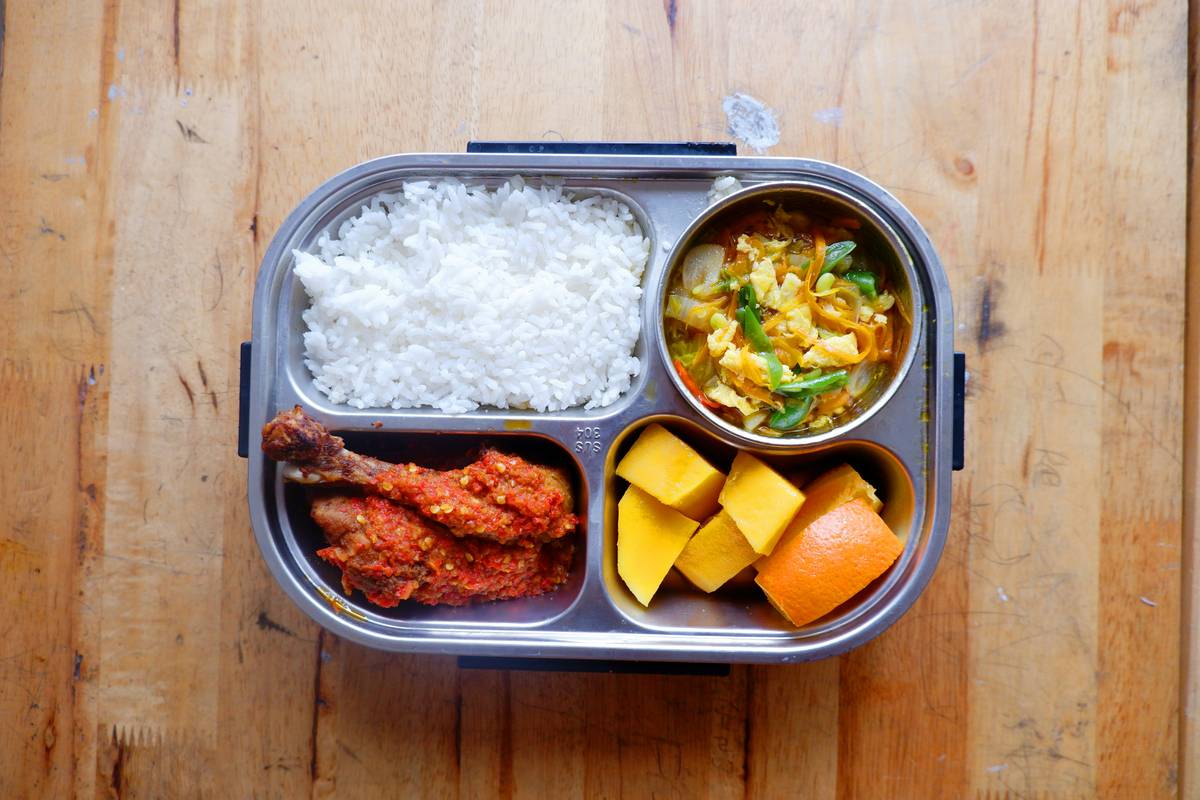
| Material | Upfront Cost | Lifespan (Years) | Best For | Compostable? |
|---|---|---|---|---|
| Stainless Steel | $18–$30 | 10+ | Dry snacks, travel, kids’ lunches | No—but infinitely recyclable |
| Tempered Glass | $12–$25 | 5–8 | Wet foods, reheating, fridge storage | No—but non-toxic at end-of-life |
| Silicone (Platinum-Cured) | $10–$20 | 3–5 | Folding pouches, squeezable snacks | Technically yes—but rarely accepted |
| Plastic (Even “BPA-Free”) | $5–$12 | 1–2 | Short-term use only | No—and sheds microplastics |
The Industry Secret Big Brands Don’t Want You to Know
Here’s the reality: most reusable container companies design products to fail quietly. Thin-gauge steel dents after three drops. Lids crack in dishwashers within months. Why? Planned obsolescence disguised as sustainability.
But there’s a workaround. Seek out manufacturers who offer lifetime warranties—not 1-year promises. Brands rooted in industrial kitchen supply chains (yes, they exist for home use) build containers meant for commercial abuse. They cost slightly more upfront but cost nothing per use over a decade. The math is simple: $25 ÷ 3,650 days = less than a penny per meal.
Frequently Asked Questions
Are eco friendly food containers dishwasher safe?
Most stainless steel and glass versions are top-rack dishwasher safe. Avoid high heat with silicone lids—they degrade faster. Always check manufacturer guidelines.
Can I freeze meals in reusable snack containers?
Yes—glass and stainless steel handle freezing well. Leave 1-inch headspace for expansion. Never freeze full silicone pouches; they may burst.
Do these containers keep food fresh longer than plastic?
Absolutely. Airtight metal and glass create superior vapor barriers. Nuts stay crisp. Cut fruit resists oxidation. Plastic breathes—reusables seal tight.