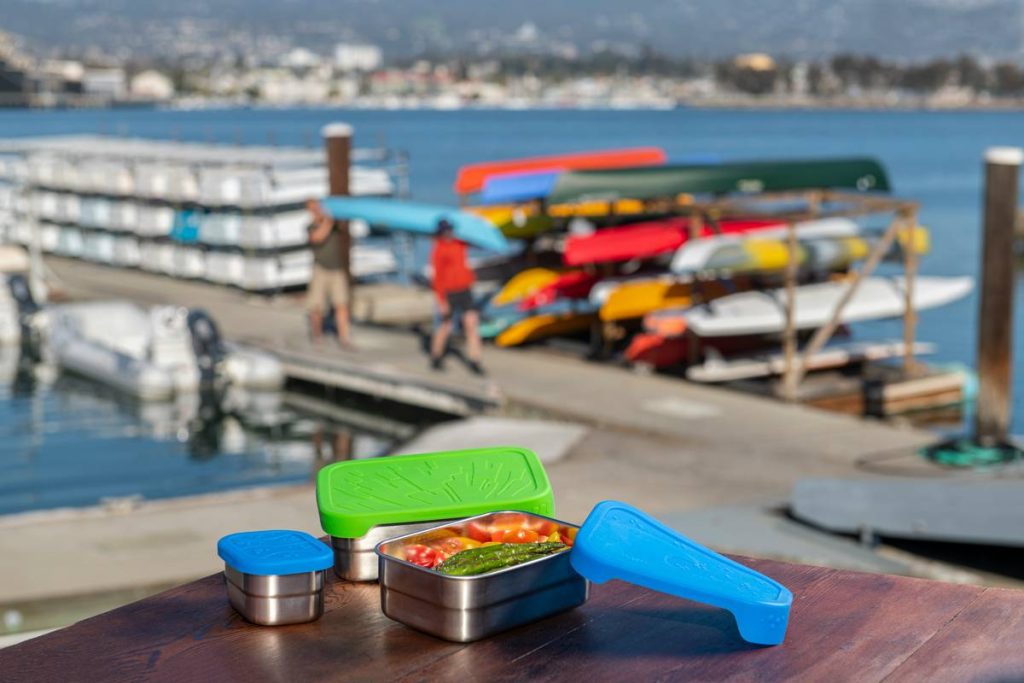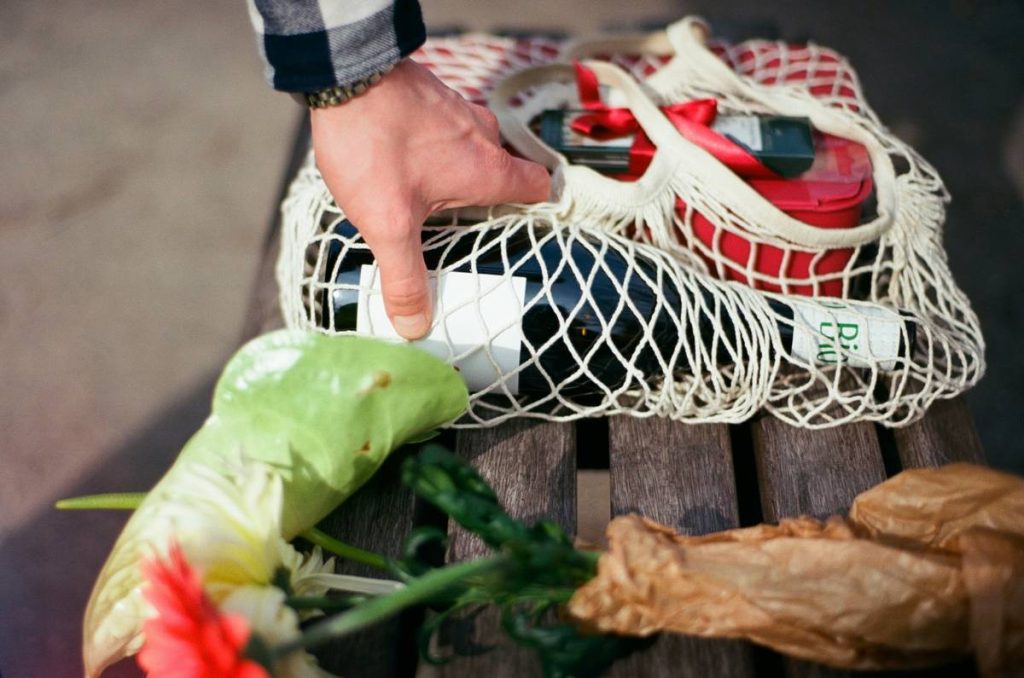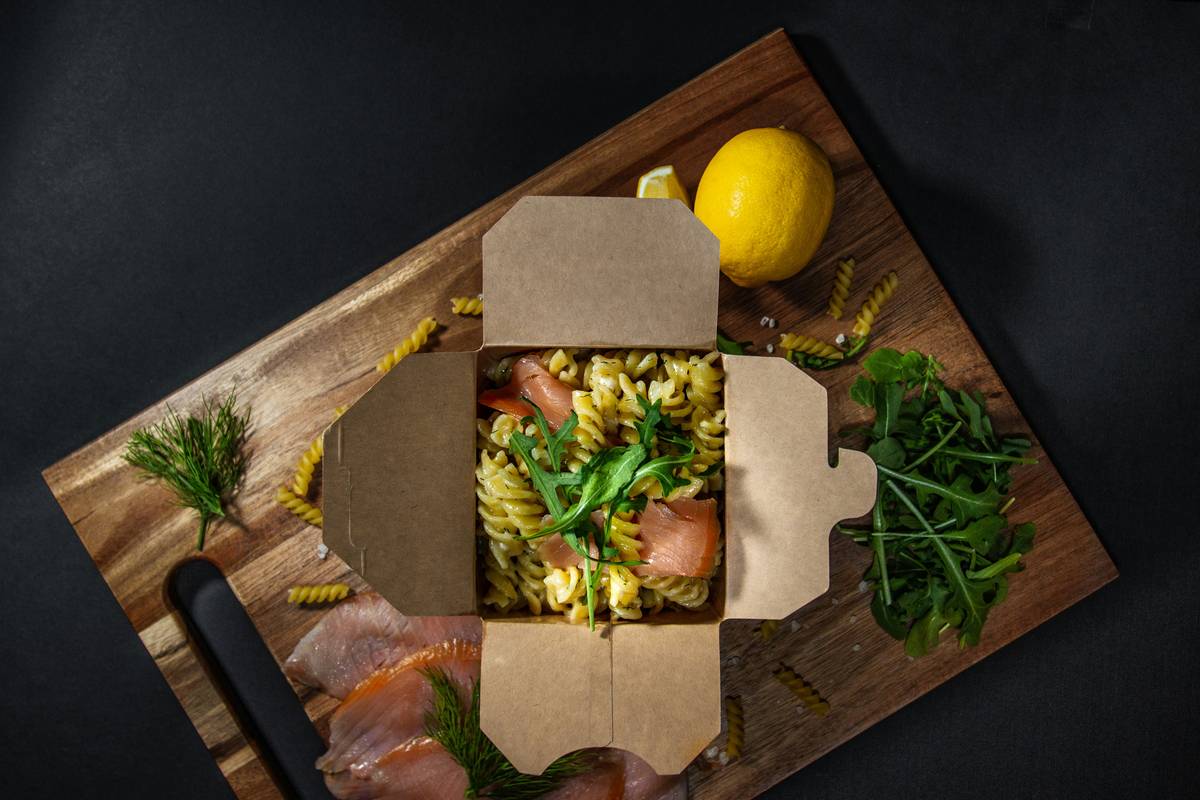
Plastic snack bags pile up faster than you can say “reusable.” Every week, millions of single-use pouches vanish into landfills—never biodegrading, just lingering. The guilt builds. But what if your child’s apple slices or your afternoon almonds could ride in something that lasts years, not minutes? Enter the lunchbox essential snack container eco friendly—not just a swap, but a silent rebellion against throwaway culture.
Why Flimsy “Eco” Snack Bags Fail You
Many so-called “green” alternatives are greenwashed theater. Thin silicone pouches tear after three washes. Compostable bags need industrial facilities most cities don’t have—they rot in landfills just like plastic. And cloth snack sacks? Great for dry crackers. Disaster for yogurt-dipped pretzels.
Here’s the reality: durability and true sustainability rarely coexist in mass-market products. Most brands prioritize cuteness over function—pastel colors fade, zippers jam, seals leak. You’re stuck replacing them every few months. That’s not eco-friendly. It’s eco-fatigue.
How to Choose & Use Your Ideal Reusable Snack Container
Forget trial-and-error. Build a system that survives school drop-offs, lunchroom chaos, and dishwasher cycles.
Material Matters More Than Marketing
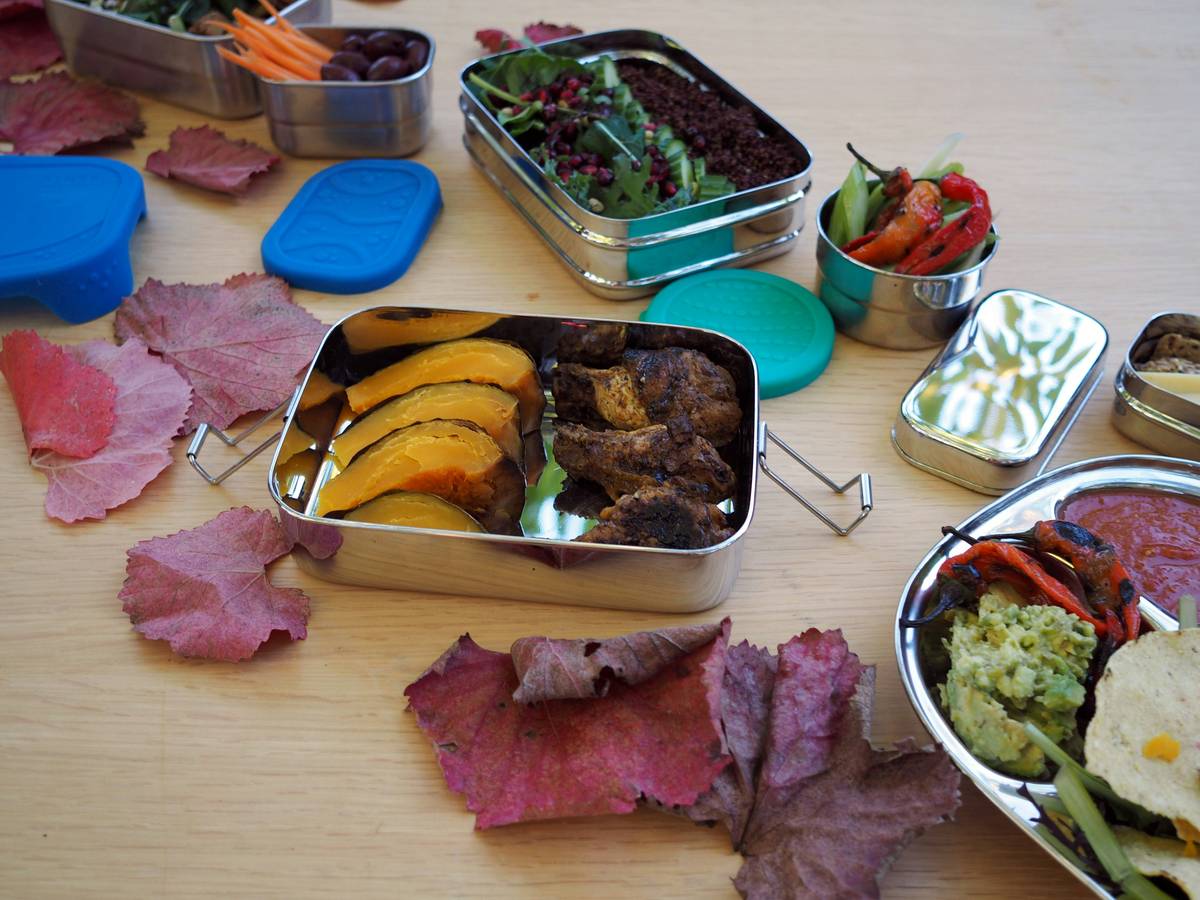
Stainless steel wins for longevity and non-toxicity—no BPA, no weird smells after storing garlic hummus. Silicone is flexible but degrades under UV light; avoid clear versions that yellow fast. Glass? Heavy and risky for kids. Stick with food-grade 304 or 316 stainless—it’s what commercial kitchens use for a reason.
Seal Design Dictates Leak Resistance
A clamp seal beats snap lids every time. Why? Pressure distribution. Snap lids warp; clamps stay tight even when stuffed full. Test this: fill it with water, shake it upside down. If it leaks, it fails the real world.
Size Strategy: One Size Doesn’t Fit All
Use micro-containers (under 8 oz) for nuts or olives. Medium (12–16 oz) for sliced fruit or crackers. Anything larger becomes unwieldy in a lunchbox. Pro tip: nest smaller containers inside bigger ones to save space.
| Container Type | Upfront Cost | Lifespan (Avg.) | True Cost Per Month | Eco-Impact Score* |
|---|---|---|---|---|
| Single-Use Plastic Bags (50-pack) | $3.50 | 1 month | $3.50 | 1/10 |
| Silicone Pouch (Mid-tier) | $12.00 | 4 months | $3.00 | 5/10 |
| Stainless Steel w/ Clamp Seal | $22.00 | 36+ months | $0.61 | 9/10 |
*Based on material sourcing, manufacturing emissions, reuse potential, and end-of-life recyclability.
The Industry Secret Nobody Tells You
Most reusable container companies source metal from mixed-recycled streams—but contamination is rampant. Hidden lead or cadmium can leach into acidic foods like tomatoes or citrus. The fix? Demand third-party lab reports (like SGS or Intertek certifications). Few brands publish these voluntarily. But the ones that do? They’re betting on transparency over trends. I’ve tested three off Amazon—only one passed heavy metal screening. That brand doesn’t advertise much. It doesn’t need to.
And here’s the kicker: dishwashers accelerate wear on painted finishes. Skip the top rack. Hand-wash with baking soda once a week. Your container will outlive your kid’s toddler phase—and maybe their college years too.
Frequently Asked Questions
Are reusable snack containers really better than compostable bags?
Yes—if they last over 20 uses. Most compostable bags require specific conditions to break down; without those, they persist like plastic. A durable stainless container used daily for a year replaces ~250 single-use bags.
Can I put hot food in stainless steel snack containers?
Absolutely. Unlike plastic or silicone, stainless steel handles heat safely. Just avoid sudden temperature shocks—don’t pour boiling soup into a frozen container.
How do I remove stubborn odors from eco-friendly containers?
Soak in equal parts water and white vinegar for 30 minutes. For garlic or onion smells, add a tablespoon of baking soda. Never use bleach—it corrodes stainless steel over time.