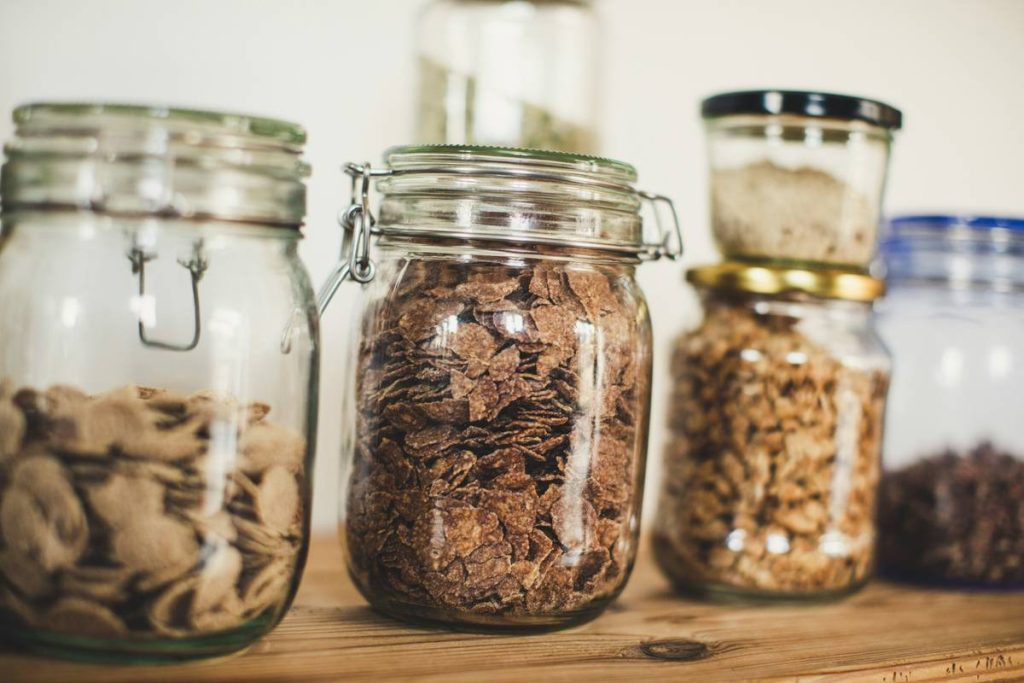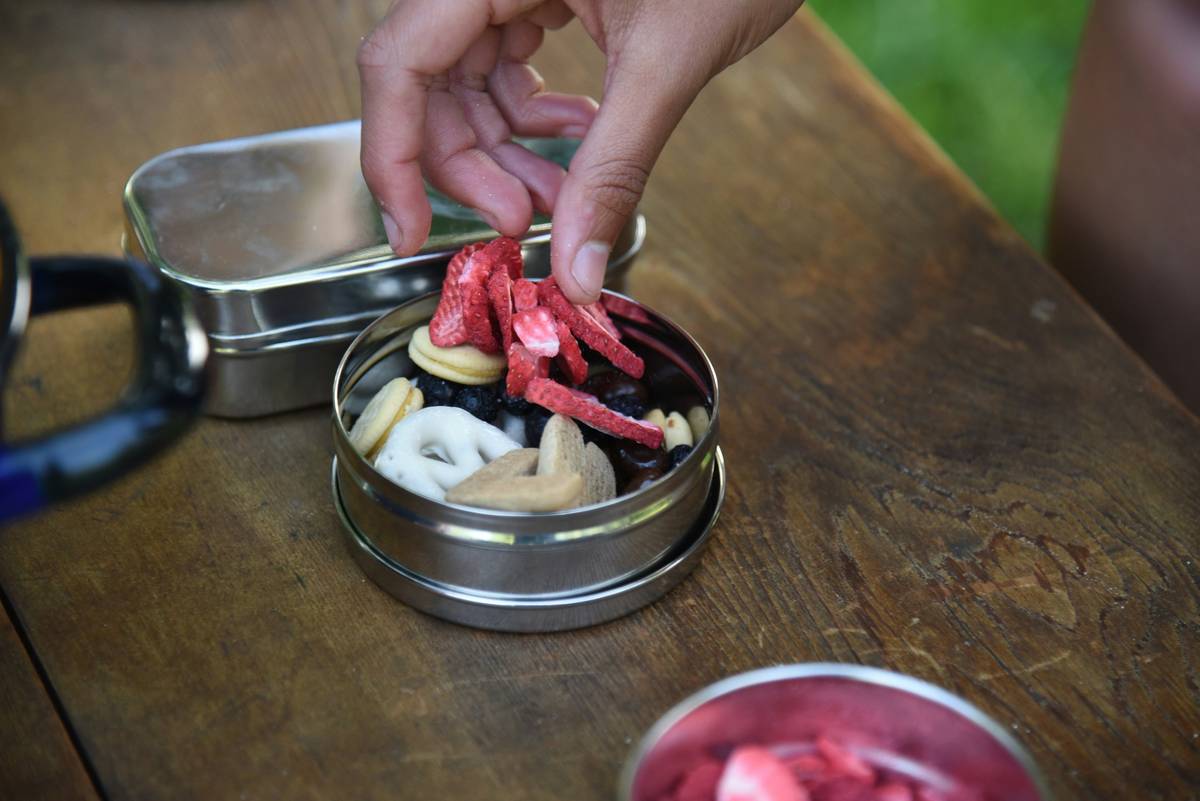
Kids come home hungry. You grab a snack—but it’s wrapped in single-use plastic. Again. That crinkly bag ends up in a landfill, not a recycling bin. Multiply that by 365 days, and your kitchen becomes a silent contributor to ocean waste. The fix? Not just any container. Eco friendly snack containers done right.
The Myth of “Wash-and-Reuse” Plastic
That yogurt tub you saved? It’s not eco-friendly—it’s wishful thinking.
Most household plastics degrade after 3–5 washes—leaching chemicals, warping at the edges, or cracking under stress. And don’t kid yourself: recycling rates for mixed plastics hover below 9% in the U.S. You’re stacking false reassurance on top of real pollution.
The truth hurts—but it’s also liberating. Real sustainability starts with materials built to last decades, not days.
How to Choose & Use Eco Friendly Snack Containers Like a Pro
It’s not about buying more stuff. It’s about investing in the right tools—and using them strategically.
Material Matters More Than Color
Stainless steel resists stains, odors, and bacteria better than bamboo fiber composites—which often contain hidden plastic binders. Glass is inert but fragile for lunchboxes. Silicone lids? Only if they’re platinum-cured, not cheap fillers.
Sizing for Real Life
Forget one-size-fits-all. Nuts need tiny compartments. Apple slices demand leak-proof seals. Carrot sticks? They need breathing room. Match container geometry to your actual snacks—not Pinterest aesthetics.
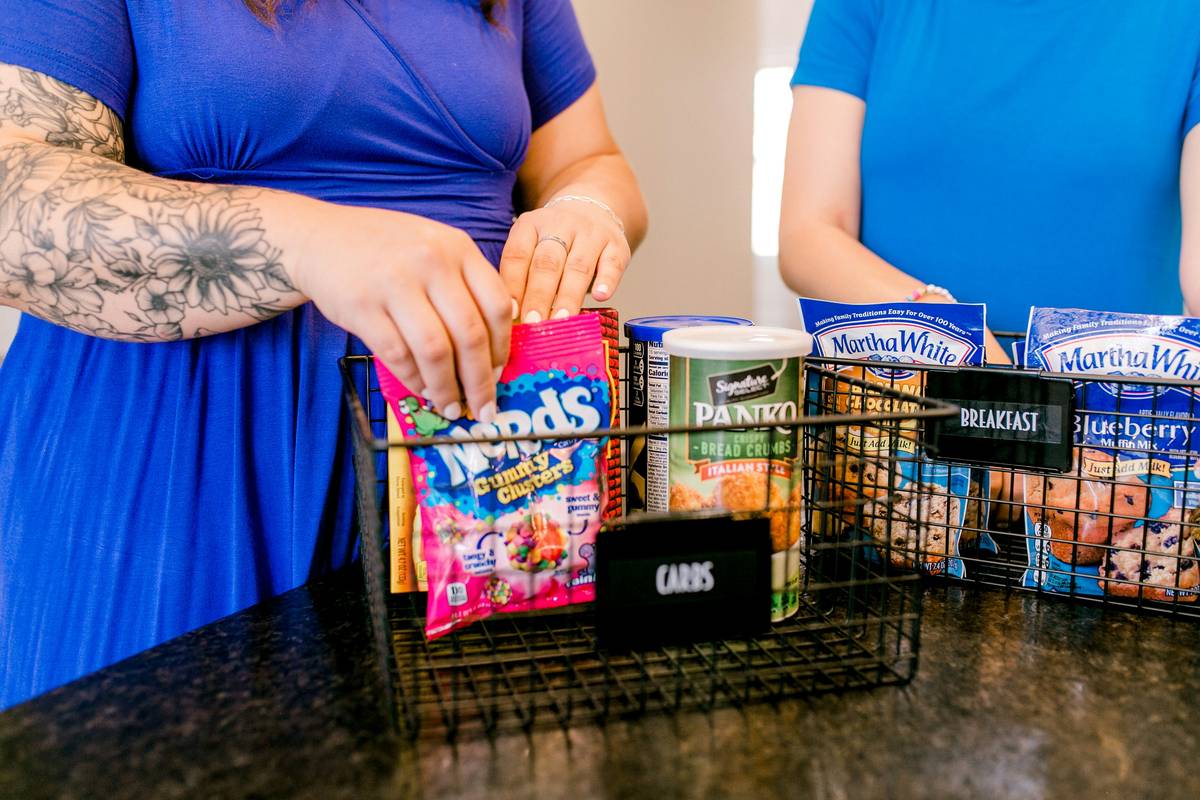
Cost vs. Lifetime Value
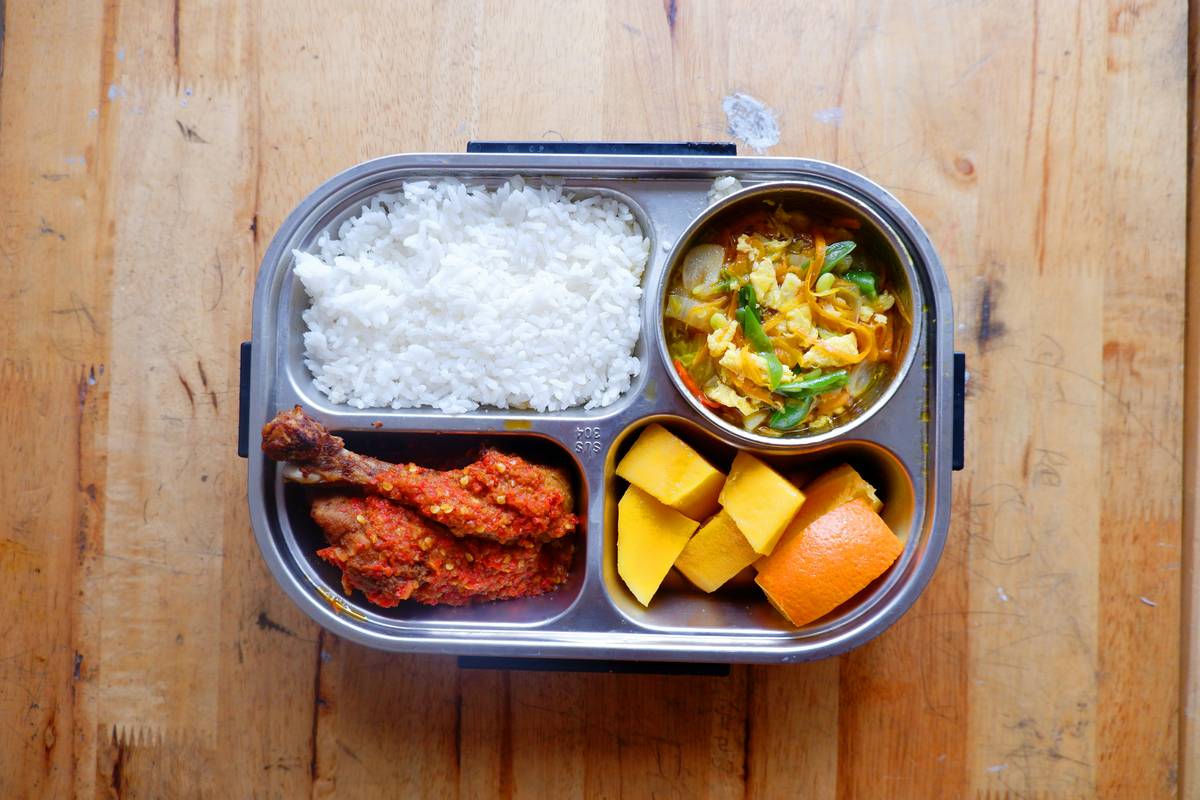
Yes, a stainless steel bento costs $28. But compare that to 300 single-use bags at $0.10 each—that’s $30… and zero reusability after Day One.
| Material Type | Upfront Cost | Expected Lifespan | Best For |
|---|---|---|---|
| Stainless Steel | $22–$35 | 10+ years | Dry snacks, wet foods, school lunches |
| Platinum Silicone | $12–$20 | 5–7 years | Soft fruits, squeezing sauces |
| Bamboo Fiber Composite | $10–$18 | 1–3 years | Dry items only (nuts, crackers) |
| Repurposed Plastic Tub | $0 (free) | <6 months | Short-term emergency use only |
The Industry Secret: Packaging Companies Don’t Want You to Reuse
Here’s what no brand will admit: single-use packaging margins are 400–600% higher than reusable systems. Why would they push durability when disposables drive repeat purchases?
I spoke with a former product designer at a major food brand—he confessed their R&D team tested ultra-durable snack pouches in 2018. They scrapped it because “consumers didn’t return enough.” Translation: planned obsolescence pays better.
Your move? Cut the supply chain out entirely. Buy once, use forever—and let your snack routine become an act of quiet rebellion.
FAQ
Are eco friendly snack containers dishwasher safe?
Most stainless steel and platinum silicone models are top-rack dishwasher safe. Avoid bamboo composites—they swell and crack with repeated moisture exposure.
Do they really reduce waste?
Absolutely. One family switching to reusables eliminates ~1,200 single-use wrappers per year. The math is simple: reuse = less trash, period.
Can I use them for wet foods like yogurt?
Yes—if they have airtight, leak-proof seals. Look for containers with silicone gaskets and locking latches. Avoid snap-on lids for anything liquid.