Every week, millions of plastic snack bags and flimsy takeout containers end up in landfills—often after just one use. You’re trying to eat clean, save money, and reduce waste, but your kitchen is still drowning in disposable packaging. The fix? sustainable meal prep containers that actually last, seal tight, and don’t leach toxins into your food.
Why Your Current Containers Are Failing You
Most “eco-friendly” containers sold online are greenwashed junk. Thin silicone lids crack after three washes. Bamboo blends warp in the dishwasher. And those trendy glass jars with metal clasps? They leak soup into your gym bag by Tuesday.
Worse—you’re paying premium prices for products designed to fail. Manufacturers know you’ll buy replacements every few months. It’s not sustainability—it’s planned obsolescence dressed in earth tones.
How to Choose & Use Sustainable Meal Prep Containers That Last
Pick once. Use for years. Here’s how:
Material Matters More Than Marketing
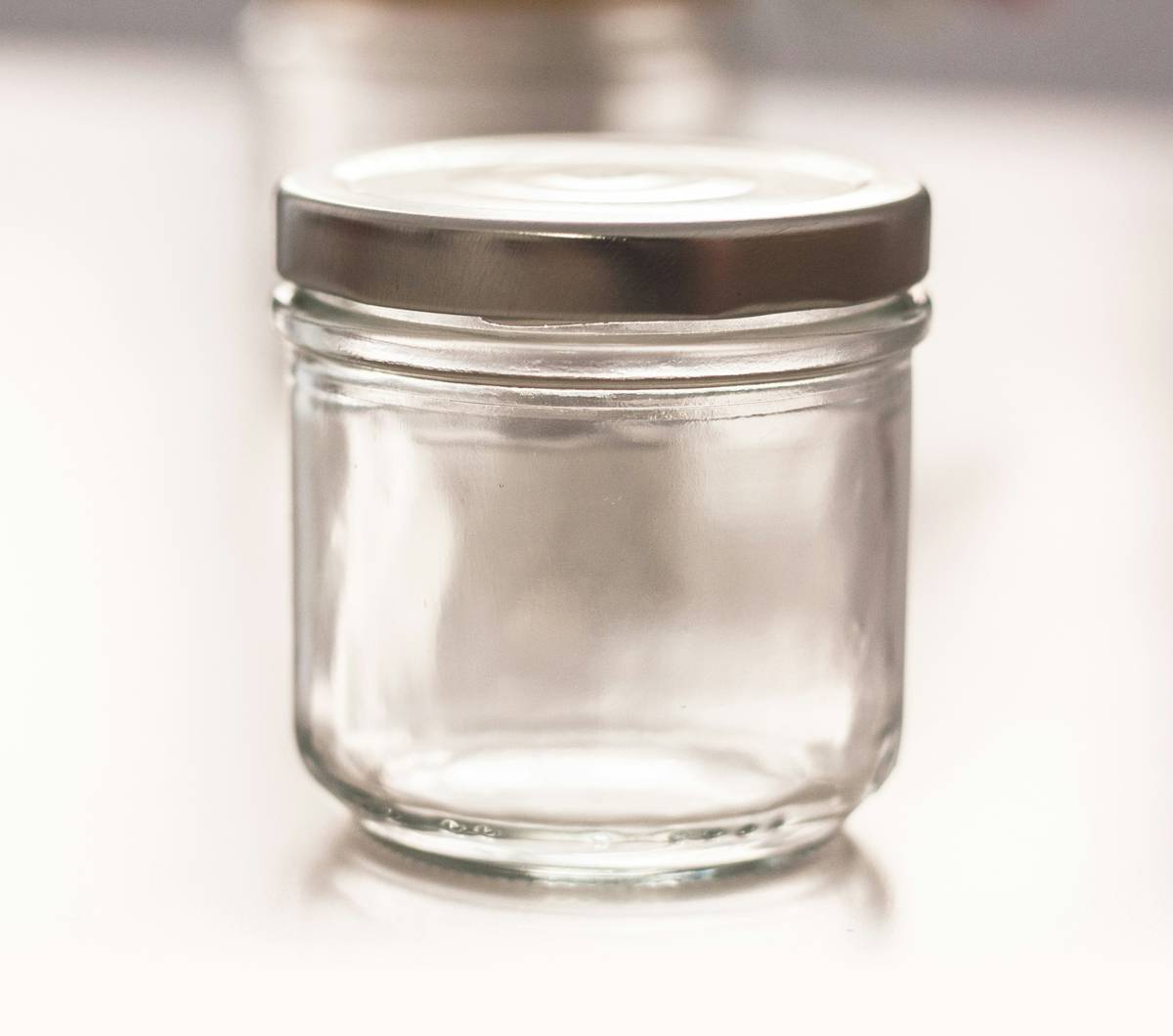
Avoid composites labeled “biodegradable” unless they’re certified compostable in home systems (rare). Stick to pure stainless steel, food-grade silicone, or borosilicate glass. These won’t degrade, stain, or absorb odors—even after reheating curry five days straight.
Seal Integrity Is Non-Negotiable
If air gets in, freshness dies. Look for containers with dual-locking mechanisms or compression-fit lids. Test them at home: fill with water, shake upside down over the sink. No drip? You’ve got a keeper.
Stackability = Space Efficiency
Your fridge isn’t a warehouse. Prioritize modular designs that nest when empty and stack uniformly when full. Square beats round—every time—for maximizing shelf real estate.
| Material Type | Upfront Cost | Lifespan (Avg.) | Microwave Safe? | Dishwasher Safe? |
|---|---|---|---|---|
| Stainless Steel | $22–$35 | 10+ years | No | Yes (top rack) |
| Borosilicate Glass | $18–$30 | 8+ years | Yes (lid off) | Yes |
| Food-Grade Silicone | $15–$25 | 5+ years | Yes | Yes |
| “Eco” Plastic Blends | $10–$20 | 6–18 months | Risky | Limited |
The Industry Secret Nobody Talks About
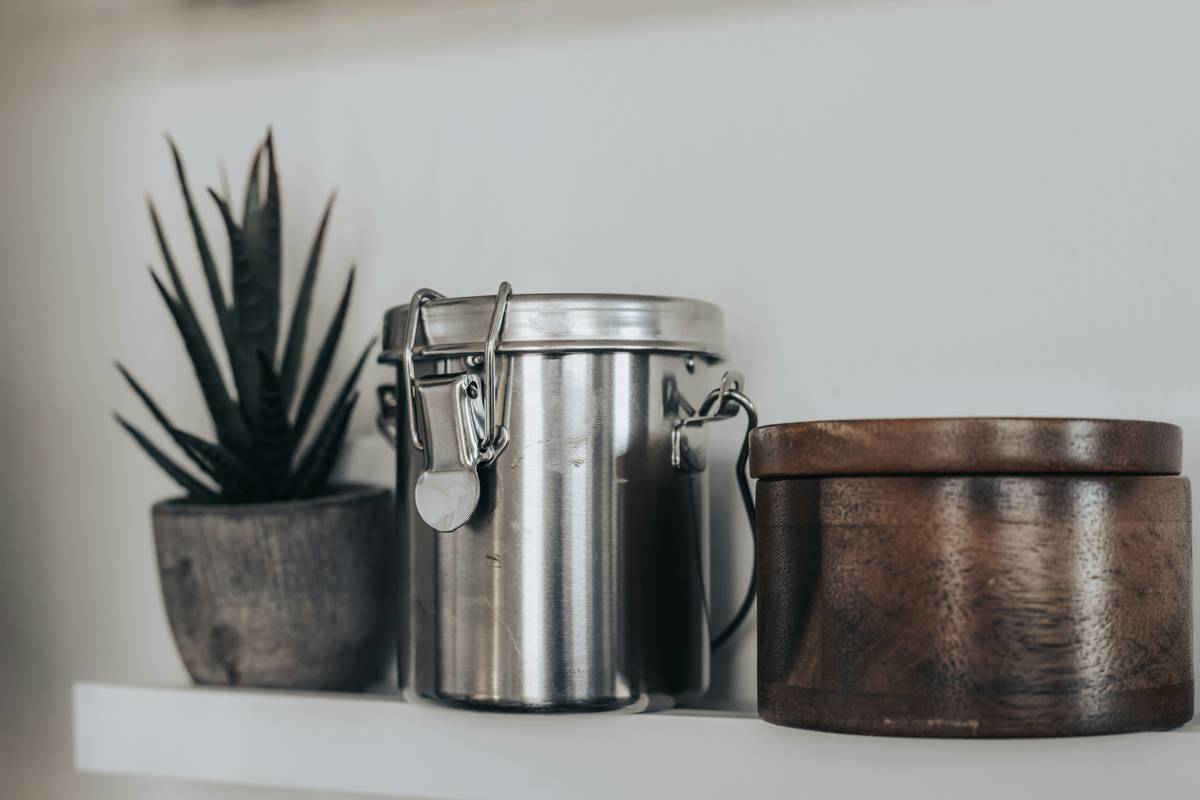
Here’s the reality: most reusable container brands source from the same handful of Chinese factories—then markup prices by 300%. But there’s a loophole. Commercial kitchen suppliers (yes, the ones selling to restaurants) offer identical-grade stainless steel bento boxes at wholesale rates. They’re built for industrial dishwashers and daily abuse. Same durability. Half the price. Just search “restaurant supply meal prep containers”—not Amazon.
And don’t fall for the “BPA-free” label as a badge of safety. Many replacements like BPS or BPF are equally sketchy. If it’s plastic, assume risk. Metal and glass? Zero chemical migration. Period.
FAQ
Are sustainable meal prep containers really cheaper long-term?
Yes. A $25 stainless set replacing 4 plastic containers/month saves ~$180/year. Plus zero landfill guilt.
Can I freeze food in glass meal prep containers?
Only if labeled freezer-safe. Leave 1-inch headspace—liquids expand. Borosilicate glass handles thermal shock best.
How do I remove stubborn stains from reusable containers?
Baking soda paste + sunlight. For odors: soak in vinegar-water (1:1) for 30 minutes. Never use bleach—it degrades seals.