Kids’ lunches are a daily battlefield—crushed crackers, spilled juice, and mystery stains on flimsy plastic. Worse? Many of those containers leach endocrine disruptors every time they’re warmed or worn. The solution isn’t just “BPA-free.” It’s choosing non toxic snack containers engineered for real life—and real health.
The Hidden Hazard in Your Pantry
Most “eco-friendly” snack boxes aren’t what they seem. They swap BPA for BPS or BPF—chemical cousins with eerily similar risks. And silicone? Often cut with fillers that degrade after three months of lunchbox duty. You think you’re protecting your child. But microplastics could be migrating into their apple slices right now.
Regulatory loopholes let manufacturers label products “food-safe” based on 24-hour tests—not years of microwave reheats, dishwasher cycles, or toddler teeth marks. Real-world use? That’s another story.
How to Choose & Use Non Toxic Snack Containers Like a Pro
Forget guesswork. Here’s what actually matters when selecting containers that stay safe, functional, and truly clean.
Material Matters More Than Marketing
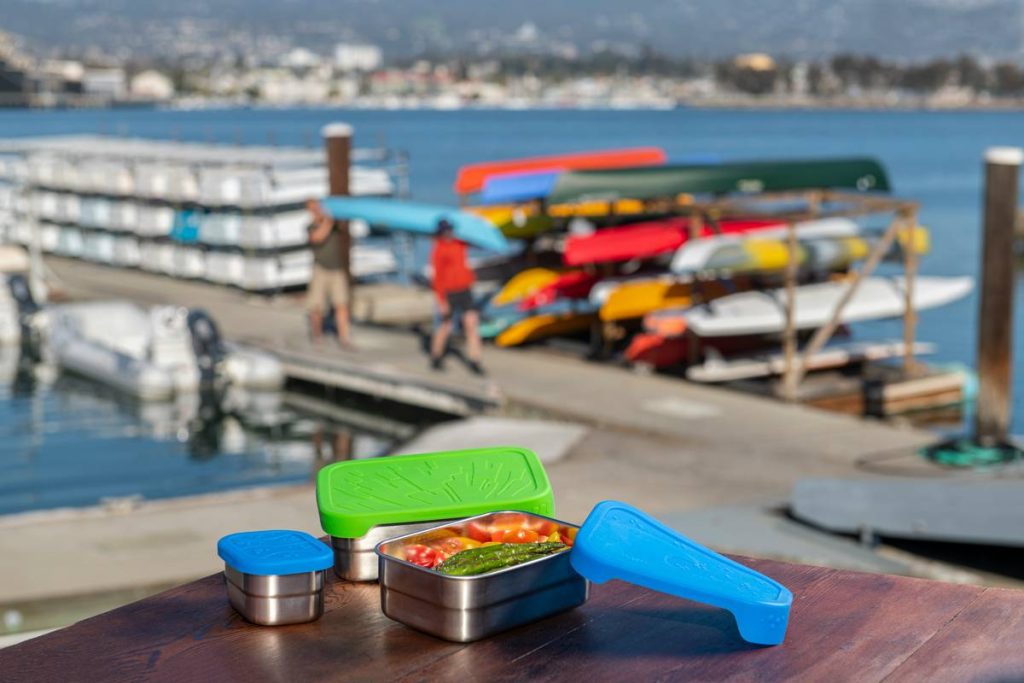
Glass is inert—but heavy. Stainless steel resists odors but can’t go in the microwave. Platinum-cured silicone? Only if it’s 100% food-grade with zero fillers. Always check third-party certifications, not just brand claims.
Seal Integrity = Chemical Integrity
A weak gasket doesn’t just leak yogurt—it exposes contents to air, accelerating degradation of lower-grade plastics. Look for one-piece lids with no hidden crevices where mold (and toxins) can hide.
Lifetime Cost vs. Upfront Price
Cheap containers fail fast. You replace them monthly. Premium ones last years. Do the math—it’s not even close.
| Container Type | Average Lifespan | True Cost Over 3 Years | Toxicity Risk |
|---|---|---|---|
| Budget Plastic (BPA-free labeled) | 4–6 months | $24–$36 | High (BPS/BPF leaching) |
| Mid-Tier Silicone | 1–1.5 years | $30–$45 | Medium (filler breakdown) |
| Premium Stainless + Glass | 5+ years | $28–$40 | Very Low |
The Industry Secret No Brand Wants You to Know
Here’s what lab insiders whisper: many “non-toxic” certifications only test for known chemicals—like hunting for yesterday’s ghosts. New compounds emerge constantly. The real safeguard? Simplicity. Fewer materials = fewer failure points. A single-wall stainless container with a medical-grade silicone seal beats multi-layer “smart” designs every time. Complexity breeds contamination. And brands won’t admit it—they’re too busy selling you the next gimmick.
And yes—some big-name eco-brands quietly reformulate every 18 months to dodge updated regulations. Their packaging stays the same. The formula inside? Not so much.
Frequently Asked Questions
Are all stainless steel snack containers truly non toxic?
Most are—if they’re made from 304 or 316 surgical-grade steel. Avoid painted exteriors; coatings can chip and expose unknown substrates.
Can I put non toxic snack containers in the dishwasher?
Yes, but place them on the top rack. Harsh detergents and high heat accelerate wear on seals—even in quality products.
Do silicone containers really last longer than plastic?
Only if they’re platinum-cured and filler-free. Test by twisting: if it turns white or opaque, it’s low-grade—skip it.