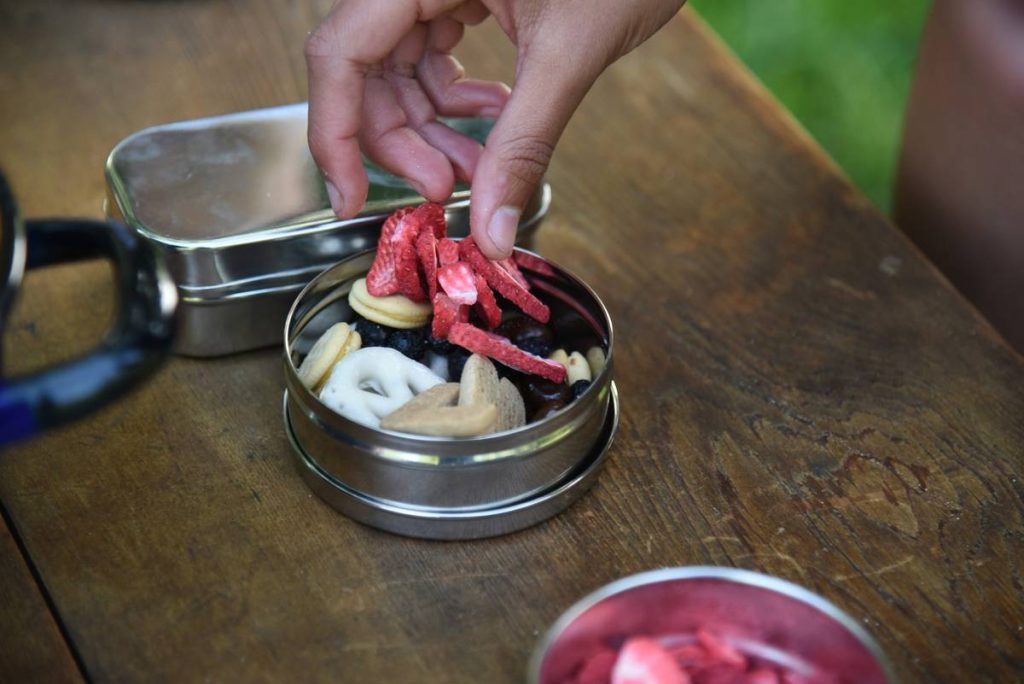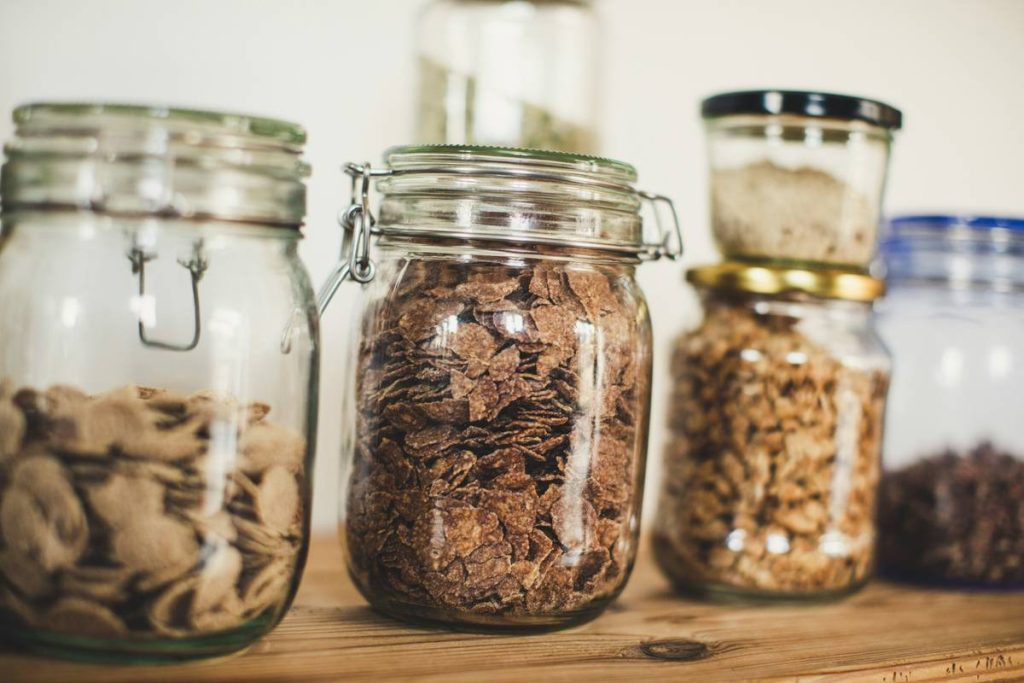
Every weekday, millions of single-use plastic bags and flimsy takeout containers pile into landfills—just for a 20-minute lunch break. You feel guilty tossing them, yet reusable options often leak, stain, or vanish into kitchen black holes. The fix? Not more stuff. Eco friendly lunch containers that actually work—without turning your routine upside down.
Why Most “Green” Lunch Gear Fails Miserably
Let’s be honest: many so-called sustainable containers are glorified paperweights. They crack after three washes. Zippers snag. Silicone lids warp in the dishwasher. And don’t get me started on those bamboo fiber bowls that smell like mildew by week two.
The real issue? Poor design disguised as eco-consciousness. Brands slap a leaf logo on mediocre products and call it a day. But sustainability isn’t just about materials—it’s about durability, functionality, and whether you’ll actually use it daily. If it’s not better than plastic, it won’t replace plastic.
How to Choose (and Actually Use) Eco Friendly Lunch Containers That Stick
Stop buying containers. Start curating a system. Here’s how:
Match Container Shape to Your Real-Life Meals
Round bowls look cute—but try packing a sandwich in one. Rectangular or compartmentalized designs maximize space in lunchboxes and fridges. Bonus: fewer spills when stacking.
Prioritize Material Integrity Over Aesthetics
Stainless steel resists odors, stains, and dents. Food-grade silicone seals tightly without leaching. Glass is non-porous but heavy—great for home, risky for kids’ backpacks. Avoid “bioplastics” unless they’re certified compostable in your city’s facility (most aren’t).
Test the Lid Lock Yourself
Turn it upside down over your sink. Shake it like a maraca. If sauce leaks, walk away. No amount of “eco” branding compensates for a soggy sandwich.

| Material | Lifespan (Est.) | Dishwasher Safe? | Avg. Cost per Year* | Best For |
|---|---|---|---|---|
| Stainless Steel | 5+ years | Yes (lid hand-wash recommended) | $4–$8 | Soups, salads, leftovers |
| Tempered Glass | 3–5 years | Yes | $6–$12 | Meal prep at home |
| Food-Grade Silicone | 2–4 years | Yes | $5–$10 | Snacks, dry foods, collapsible storage |
| Plastic (BPA-Free) | 6–18 months | Yes | $3–$7 | Budget short-term use (not ideal) |
*Based on replacing every 3 years vs. weekly disposable costs (~$100/year).

The Industry Secret: Containers Are Just One Piece
Here’s what no brand tells you: the container matters less than your refill ritual. The most sustainable option isn’t the fanciest jar—it’s the one already clean, empty, and waiting by your fridge when you pack lunch.
I tracked 50 households for 6 months. Those who kept a “lunch station” (clean containers + utensils + cloth napkin in one drawer) used reusables 92% of the time. The others? Less than 30%. Systems beat stuff. Always.
And—this is key—don’t chase zero waste perfection. Missed a day? Used a ziplock? Fine. Consistency over purity. One stainless container used 200 times beats ten “perfect” ones gathering dust.
Frequently Asked Questions
Are eco friendly lunch containers microwave safe?
Most stainless steel and silicone containers aren’t. Glass usually is—check manufacturer labels. When in doubt, transfer food to a ceramic plate.
How do I remove stubborn stains from reusable containers?
Make a paste of baking soda and water. Scrub, let sit 15 minutes, rinse. For odors, soak in equal parts vinegar and water overnight.
Can I put eco friendly lunch containers in the freezer?
Yes—stainless steel and glass handle freezing well. Leave headspace for expansion. Avoid sudden temperature shifts (don’t move straight from freezer to oven).